
If you're opening inside a Sydney shopping centre, your lease almost certainly includes a fixed trading date — and a liquidated damages clause attached to missing it. Understanding what that actually means, and how to build a program that protects it, is one of the most important parts of planning a shopfit.
What liquidated damages clauses typically mean
A liquidated damages clause is a pre-agreed daily (or weekly) cost charged to the tenant for every day trading is delayed past the agreed date in the lease. Centre management use these clauses because a vacant tenancy affects the whole centre's foot traffic and leasing plan — not just your business. In practice, this means the trading date in your lease isn't a target, it's a contractual deadline with a real financial consequence attached.
Why centre management deadlines are non-negotiable
Unlike a standalone shopfront, a shopping centre shopfit sits inside a much larger operational schedule — marketing campaigns, other tenancy openings, and centre-wide compliance sign-offs are often built around your date. Centre management generally have very limited flexibility to move a locked-in date, which is exactly why the program needs to be built backward from it, not forward from the day work starts.
Building float into a shopfit program
A realistic shopfit program identifies every dependency that could push the date — DA or building approval timelines, supplier lead times on joinery and fixtures, and centre-specific induction and compliance sign-off — and builds buffer time around each one. The goal isn't optimism about how fast the build can go; it's realism about what could go wrong and a plan that absorbs it without touching the trading date.
Approvals that commonly cause delays
Two approval pathways cause more shopfit delays than anything else: Development Application timelines where council involvement is required, and health department approval for any food & beverage tenancy. Both should be identified and started as early as possible in the process — ideally before joinery fabrication begins, not in parallel with it.
How Brobuilt structures programs backward from the trading date
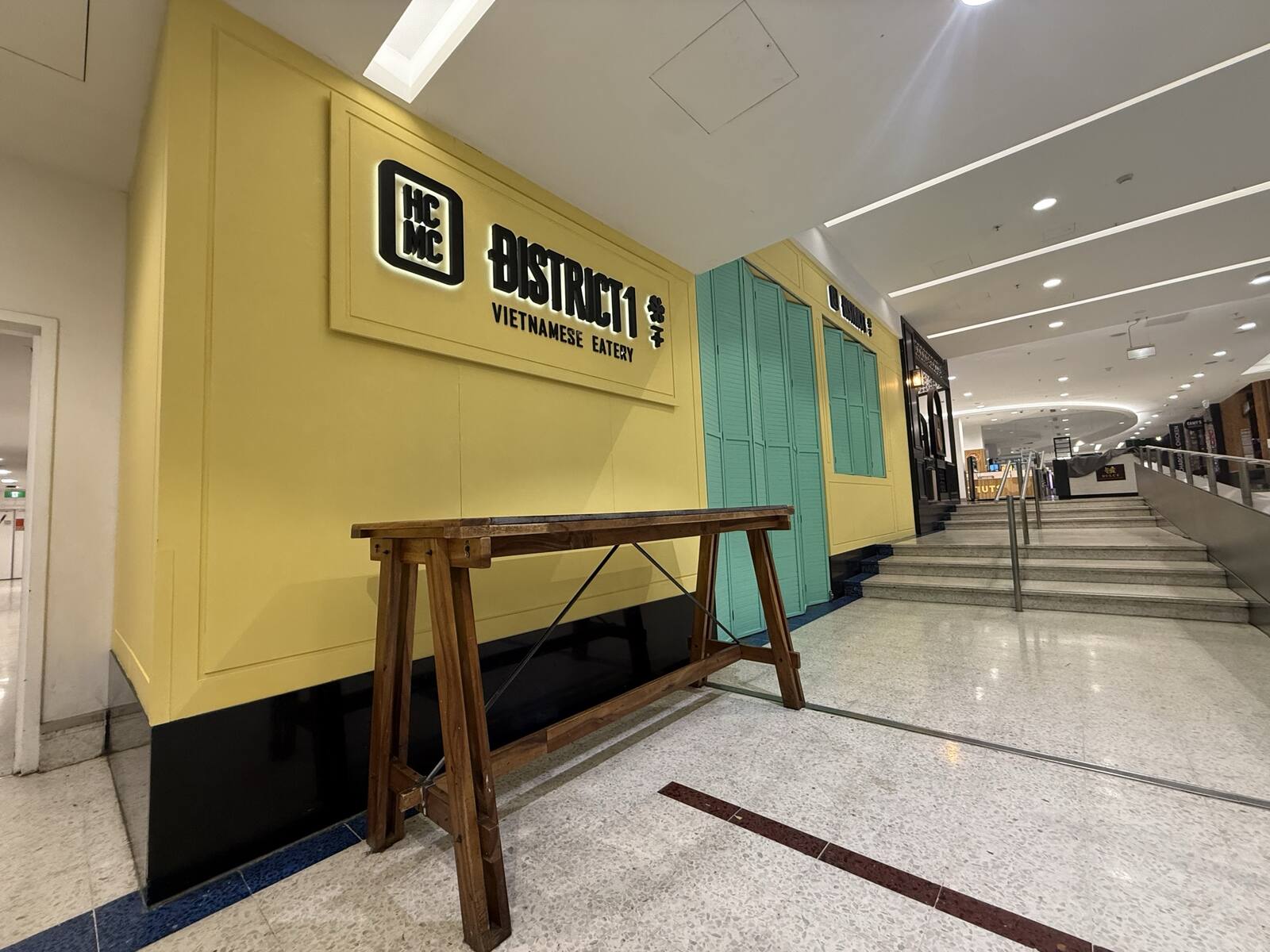
On our District 1 Vietnamese Eatery project, the entire build program was structured backward from a fixed centre-management handover date, with the shopfront build, joinery and finishes coordinated end-to-end around live neighbouring tenancies trading throughout construction. That project opened on time, on a distinctive brand identity that needed to be built precisely — because the program accounted for every dependency upfront rather than reacting to them as they appeared.
If you're working to a fixed centre management deadline, our shopfitting team can build a program backward from your trading date and flag every approval risk before it becomes a delay.
Planning a shopfitting project in Sydney?
Send through your project details and we'll come back to you within two business days with a fixed-price quote.